NewsAssociation
PZPN seeks a stronger position for Poland in European football

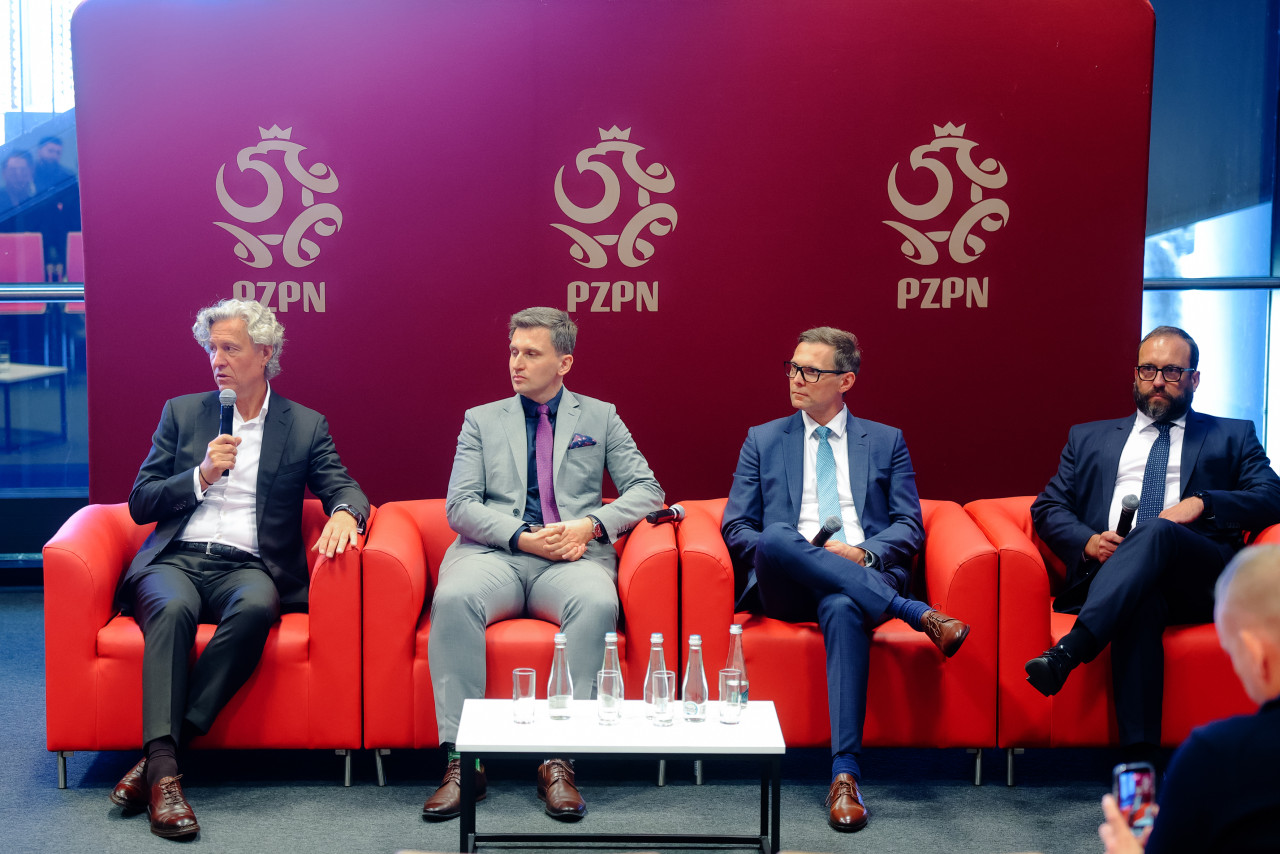
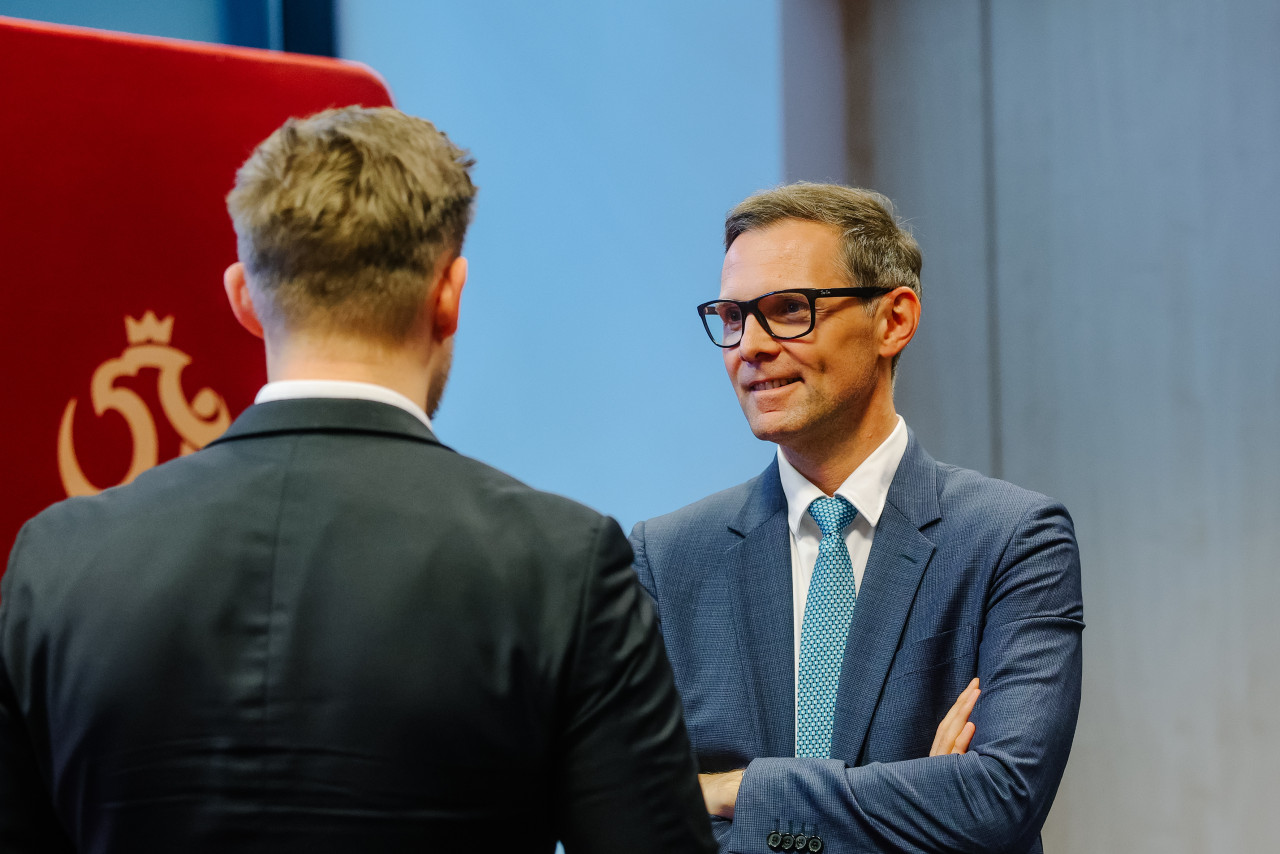
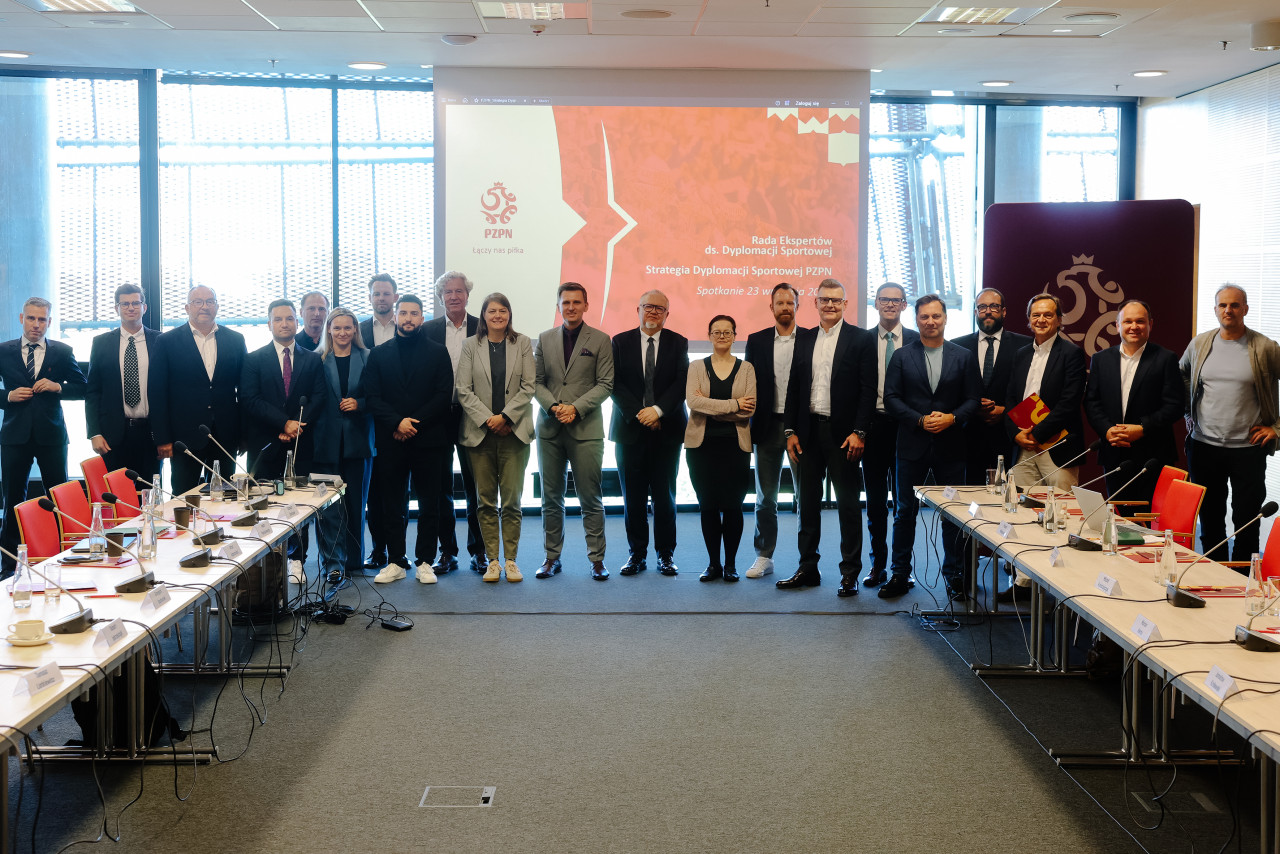
It began with two hours of talks. Experts from the worlds of football, other sports, business, administration, and diplomacy sat down at the same table. The hosts were Dariusz Mioduski, PZPN Vice President for Foreign Affairs, Marcin Animucki, PZPN Vice President for Professional Football, and Michał Banasiak, Secretary of the Sports Diplomacy Expert Council. This was followed by a short break and a panel open to the media. Consultations regarding the PZPN Sports Diplomacy Strategy were held at the PGE Narodowy.
The Sports Diplomacy Expert Council was appointed by the Management Board of PZPN on 26 March at the initiative of Dariusz Mioduski, who heads its operations. Its first major project will be a strategy structuring PZPN’s international activities up to 2032.
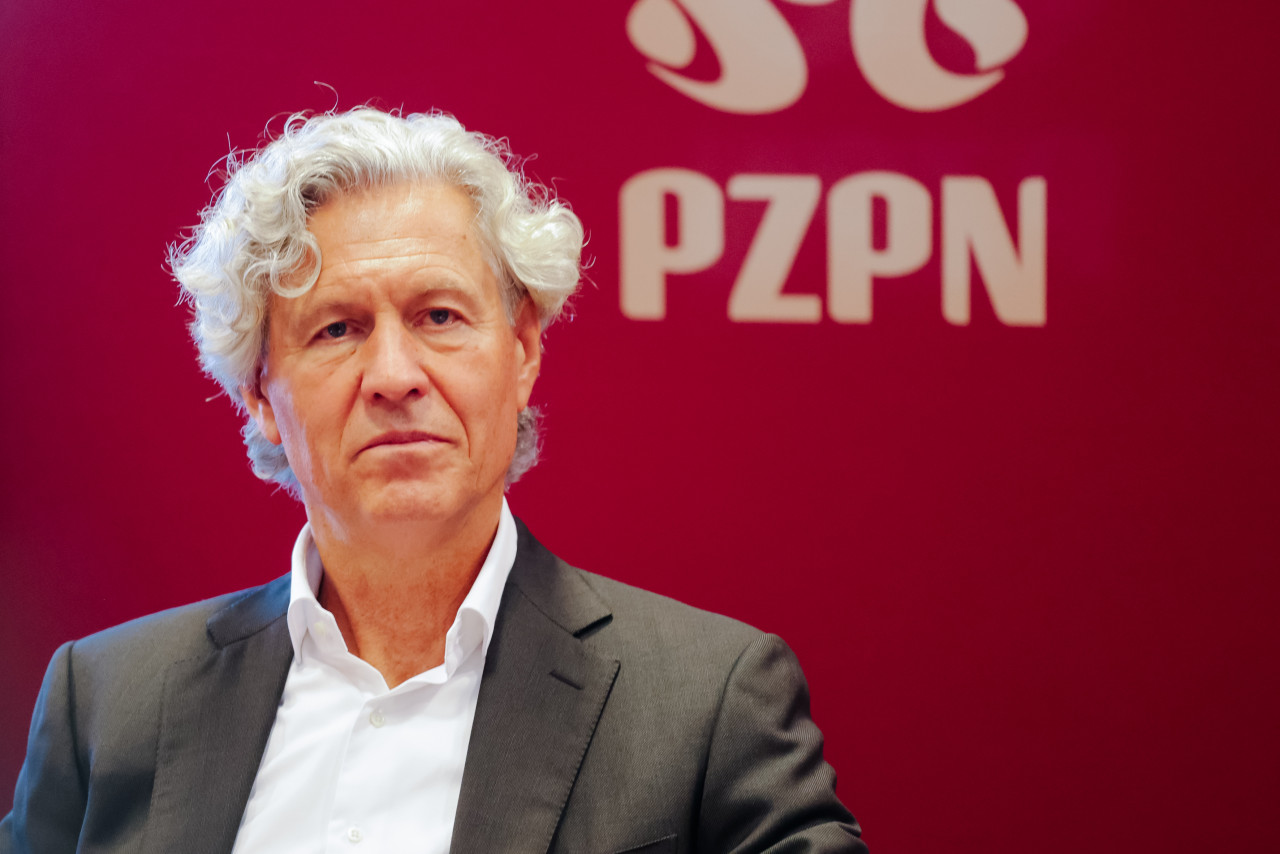
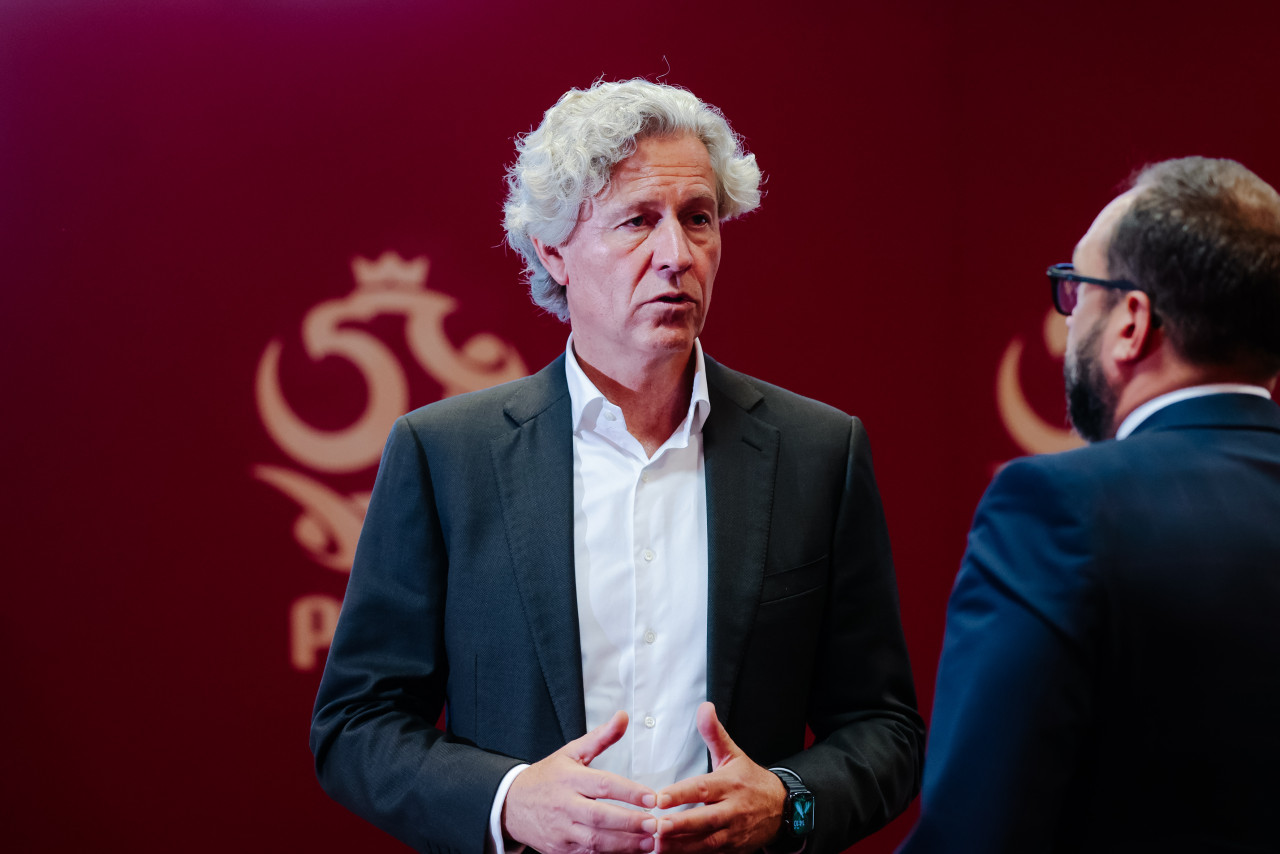
"Poland is one of the biggest footballing nations in Europe and has been present within European structures for years. Our goal is for it to be influential within them. This requires people who know how to navigate international organisations, a single, unified stance for Polish football, and a systematic approach to our work, rather than operating on a match-by-match basis. The biggest federations in Europe have been operating strategically for years, taking long-term goals into account, and we want to do the same," announced Dariusz Mioduski, PZPN Vice President for Foreign Affairs and Chairman of the Sports Diplomacy Expert Council.
However, the topic extends beyond football itself. Deputy Minister of Foreign Affairs Marcin Bosacki also took part in the consultations.
"Today, promoting Poland abroad is about more than just culture, the economy, or tourism; it is also about sport, which is one of the most universal forces for attracting attention and building positive associations with our country. Football holds a special place in this regard: this is why it is so important that PZPN is developing its own sports diplomacy strategy. This can ensure that the successes of the national team, our clubs, and the events we host become not just a source of sporting pride, but also a tool for strengthening Poland's position on the global stage. Poland currently ranks 31st in the Brand Finance Global Soft Power Index, and our task is to make the best possible use of the resources and assets at our disposal to improve this ranking," emphasised Marcin Bosacki.
It is not just about committee seats
Considerable attention was devoted to the presence of Poles within international football structures. This applies not only to elected bodies, but also to the UEFA and FIFA administrations, as well as the organisation of competitions and major events.
Experiences related to EURO 2012 were cited in this context. Hosting the tournament provided Poland not only with new stadiums, but also with a group of professionals who gained experience at an event of this magnitude and could later utilise it on the international stage.
The second objective is the more frequent hosting of major events and European competition finals in Poland. Following EURO 2012, the country has already hosted events including the Europa League finals in Warsaw and Gdańsk, and the UEFA Super Cup at the PGE Narodowy. During the consultations, however, it was pointed out that an increasing number of countries now possess the appropriate infrastructure. Therefore, when submitting future bids, it is not just stadiums that matter, but also prior preparation, relationships, and a presence within international structures.
The discussions also touched upon a longer-term perspective: the years 2036, 2038, 2040, or 2042.
44 million euros and UEFA club competitions
Specific examples were also given. One of them was the Conference League. The creation of UEFA's third-tier competition has increased the opportunities for regular European football, including for clubs from countries such as Poland. For this to happen, however, the interests of clubs, leagues, and federations from different parts of the continent had to be reconciled.
The financial aspect of European competitions was also discussed. Marcin Animucki pointed out that the four Polish clubs participating in international competitions last season received approximately 44 million euros in prize money. Additional funds reached the remaining clubs through solidarity payments.
The strategy currently under development highlights the need to create a permanent structure responsible for international affairs.
"As analyses indicate, sports diplomacy in European football, when focused on successfully achieving international goals, adopts a structured framework and operates at a significantly more advanced level than merely conducting activities around current events and the fixture list. The largest European federations have built permanent structures responsible for international relations. The English FA, the German DFB, the French FFF, the Spanish RFEF, the Italian FIGC, and the Portuguese FPF have dedicated teams or roles handling the building of partnerships, maintaining a presence within UEFA and FIFA structures, and supporting international bids and projects," notes Michał Banasiak, co-founder of the Polish Institute of Sports Diplomacy and Secretary of the Sports Diplomacy Expert Council.
Ninety-four per cent of respondents were in favour of creating a dedicated unit within PZPN responsible for coordinated international activities. The need for such a systematic and long-term approach was rated at an average of 4.8 on a five-point scale.
An inside look
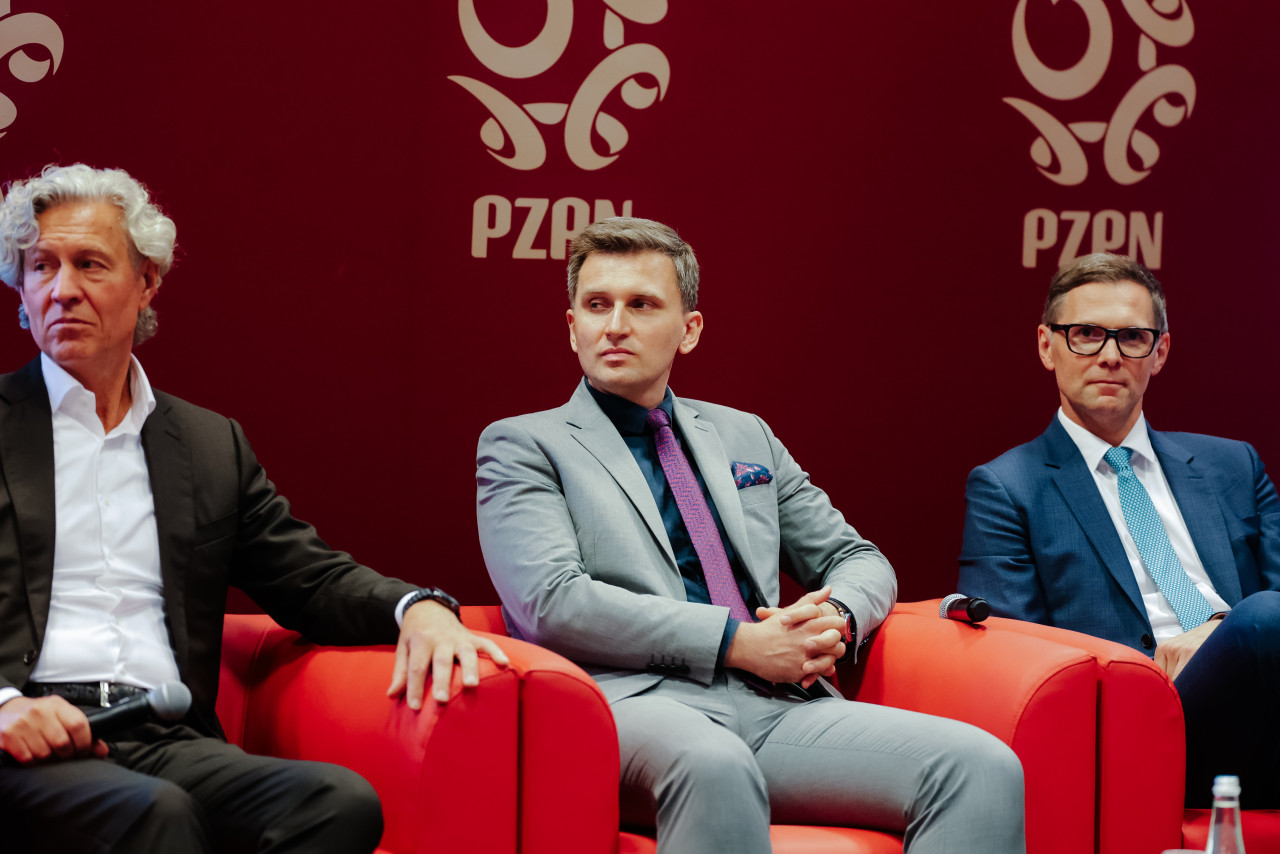
After nearly two hours of behind-closed-doors talks, the session open to the media began. Taking part in the panel discussion were Dariusz Mioduski, Marcin Animucki, Michał Banasiak, and Łukasz Wojtowicz, Chief of Staff to the Managing Director of UEFA Events SA. The discussion was moderated by Grzegorz Stańczuk.
Mioduski is Vice-Chairman of European Football Clubs, while Animucki serves on the board of the European Leagues. Discussions also covered how cooperation between clubs, leagues, and federations works in practice.
"This is an important initiative that will support the development and significance of Polish football across many dimensions, and one that Polish football deserves. For it to be successfully implemented in our reality, it is crucial to define goals and priorities, taking into account internal circumstances, genuine needs, and available resources. The strategy's objectives should be ambitious, yet realistic and achievable," noted Marcin Animucki, President of Ekstraklasa S.A. and a board member of the European Leagues.
The strategy is to be completed and approved by the end of 2026. Even before then, the first initiatives are set to be launched, including those related to matchday diplomacy and the continuous monitoring of the situation in international football. A schedule of activities for 2027 will also be drawn up.